
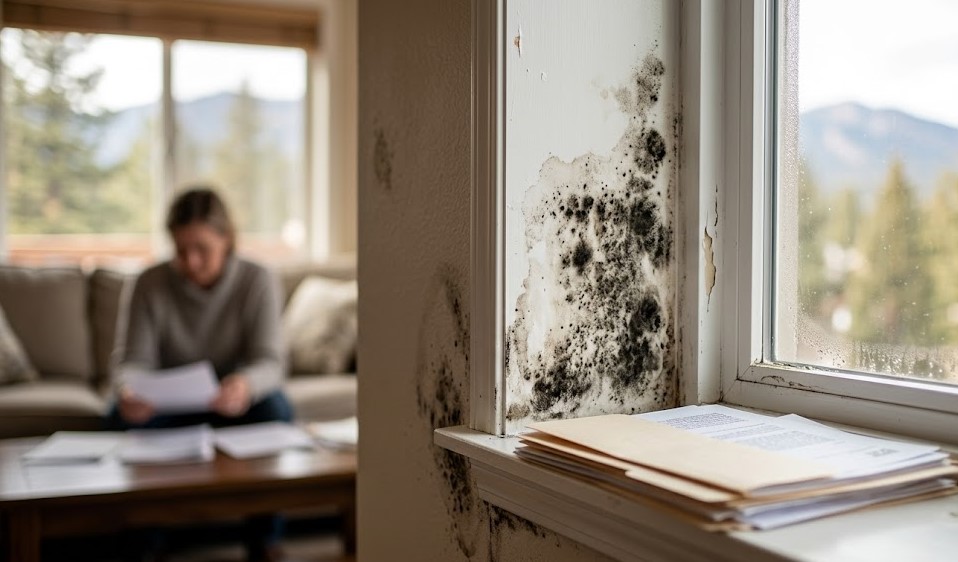
The Covered vs. Excluded Divide
| Mold Cause | Typically Covered? |
|---|---|
| Burst pipe (sudden freezing event) | Yes — water damage + resulting mold |
| Appliance failure (washing machine, dishwasher) | Often yes — sudden accidental discharge |
| Roof leak → attic mold | Depends — sudden storm damage yes; gradual deterioration no |
| Snowmelt seepage through foundation | No — gradual seepage is excluded |
| Chronic basement moisture | No — maintenance issue |
| Sewer backup | No — requires separate sewer backup rider |
| Flood (rising surface water) | No — requires separate flood policy (NFIP) |
Colorado-Specific Claim Considerations
Burst pipes during cold snaps: Colorado's winter cold snaps (temperatures dropping to -10°F or below, common several times per winter) cause pipe freezing. A burst pipe resulting from a freeze event is typically a covered sudden peril — and resulting mold is covered as consequential damage. Document the event date with weather records.
Ice dam water intrusion: Ice dam claims are often disputed. If an ice dam caused sudden water intrusion into the attic during a specific storm event, it may be covered as a storm-related sudden water loss. If it's the result of chronic inadequate insulation and ventilation, coverage is less certain.
Snowmelt foundation seepage: This is almost universally excluded. Gradual seepage through foundation walls is classified as a maintenance issue, not a sudden accidental event.
How to Document for a Mold Insurance Claim
- Photograph all damage with timestamps immediately upon discovery
- Document the specific water source and event date
- Save weather records if the event was weather-related (freeze, storm)
- Take emergency mitigation steps (extracting water, preventing further damage) and document these
- Get a professional remediation estimate before authorizing work
- Keep all contractor invoices and clearance testing results
If Your Claim Is Denied: Appeal Process
Insurance denials for mold claims are common — and frequently overturned on appeal. If your claim is denied:
- Request the denial in writing with the specific policy language cited. Do not accept a verbal denial.
- Review the cited exclusion carefully. Denials sometimes cite the wrong exclusion or mischaracterize the water source. If your pipe froze and burst, that is a sudden accidental event — not "gradual seepage."
- Gather counter-evidence. A professional mold inspection report identifying a sudden event as the moisture source is your most powerful appeal document. Weather records proving a freeze event on a specific date support burst pipe claims.
- File a formal written appeal with your insurer's claims department. Reference the denial letter, attach your counter-evidence, and cite the policy provision you believe covers the loss.
- Contact the Colorado Division of Insurance if the denial appears improper. File a complaint at doi.colorado.gov — this triggers a regulatory review of the insurer's handling.
Colorado Bad Faith Insurance Law
Colorado has one of the stronger bad faith insurance statutes in the country. Under C.R.S. § 10-3-1115 and § 10-3-1116, an insurer that unreasonably delays or denies a covered claim may owe you:
- Two times the covered benefit amount (statutory damages)
- Attorney fees and court costs
An insurer acts "unreasonably" if it denies a valid claim without a reasonable basis, delays payment without proper cause, or fails to conduct a thorough investigation. If you believe your Colorado insurer is acting in bad faith, consult a Colorado insurance attorney who handles first-party property claims.
Public Adjusters: When to Consider One
A public adjuster is a licensed professional (not affiliated with your insurer) who advocates for homeowners during the claims process. They are paid as a percentage of the settled claim (typically 10–15%). Consider hiring a public adjuster if:
- The claimed loss exceeds $20,000 (the adjuster's fee is offset by a higher settlement)
- Your insurer's initial estimate is significantly lower than contractor bids
- You are uncertain about the scope of coverage or how to document the loss
- You have received a denial you believe is improper
Verify public adjuster licensing at the Colorado Division of Insurance (doi.colorado.gov) before hiring. Public adjusters must be licensed in Colorado.
Timeline for Filing a Colorado Mold Insurance Claim
Act quickly — Colorado homeowners insurance policies typically have notice requirements:
- Report the claim immediately upon discovery — "prompt notice" is required by most policies. Delay can give the insurer grounds to reduce or deny coverage.
- Emergency mitigation can begin before adjuster inspection — you are required to take reasonable steps to prevent further damage. Document these steps; insurers cover reasonable emergency mitigation costs.
- Colorado statute of limitations: Actions on insurance policies are generally subject to a 3-year statute of limitations in Colorado (C.R.S. § 13-80-101), but policy language may impose shorter deadlines — check your declarations page.
Insurance policy language varies significantly between carriers and policy versions. The general information in this article reflects common Colorado homeowners policy provisions but does not constitute legal or financial advice. Always review your specific policy declarations and contact your insurance agent or a licensed Colorado public adjuster to assess coverage for your situation.