
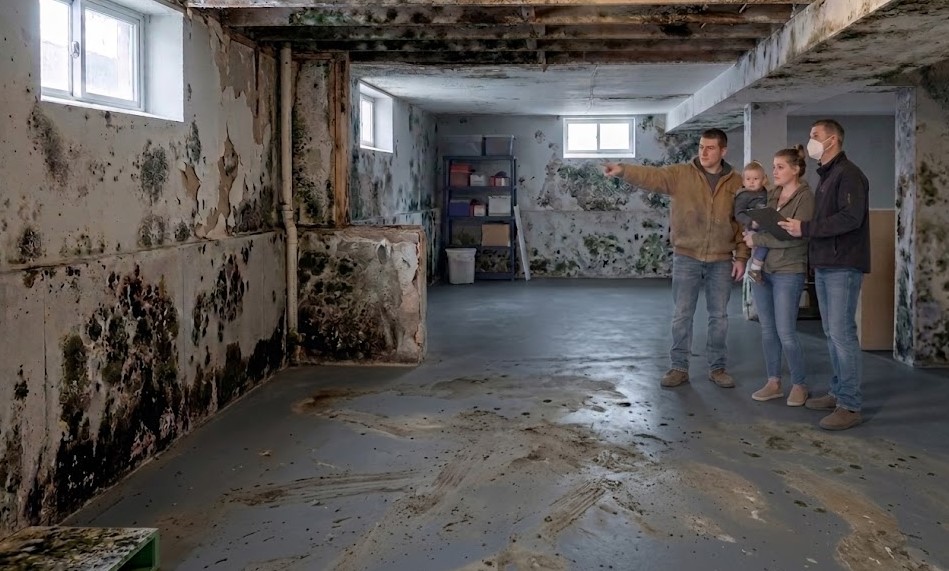
Denver Mold Remediation Cost by Area
| Area | Typical Cost Range | Scope |
|---|---|---|
| Bathroom (small) | $300–$1,500 | Tile grout, caulk, drywall |
| Bathroom (large, extensive) | $1,500–$5,000 | Subfloor, wall cavity, vanity |
| Crawl space | $1,500–$8,000 | Vapor barrier + remediation |
| Basement (minor) | $1,500–$5,000 | Unfinished, limited area |
| Basement (significant) | $5,000–$15,000 | Finished space, structural drying |
| Attic | $2,000–$12,000 | Sheathing treatment + encapsulant |
| HVAC system | $300–$4,000 | Coil cleaning, duct treatment |
| Commercial space | $3,000–$250,000+ | Varies by size and contamination |
| Whole home (severe) | $15,000–$35,000+ | Multiple areas, demolition, clearance |
What Drives Cost in Denver
- Altitude-rated equipment: HEPA filtration and dehumidification equipment must be rated for Denver's 5,280 ft elevation to perform correctly — lower-rated equipment underperforms and extends drying time, increasing cost.
- Finished vs. unfinished space: Remediating mold in a finished basement requires demolition of drywall, insulation, and flooring, adding $3,000–$8,000 in material removal and disposal costs.
- Clearance air testing: Post-remediation clearance air sampling costs $300–$600 and is required by IICRC S520 standards — budget for this separately.
- Snowmelt-season demand: Denver's spring snowmelt season (March–May) creates high contractor demand. Emergency response during peak season may carry premium pricing.
Prices shown are examples only. For an accurate quote for your specific situation, call (720) 964-0332 — free consultation with a specialist.
What a Written Estimate Should Include
Always get a written estimate before authorizing work. It should specify: square footage of affected area, materials to be removed, containment method, drying equipment and timeline, antimicrobial product to be applied, and whether clearance testing is included. See our step-by-step guide to the remediation process to understand exactly what each phase involves.
Hidden Costs Homeowners Often Miss
The remediation estimate covers the mold removal process itself — but the total out-of-pocket cost often includes items not covered in the contractor's quote:
| Hidden Cost | Typical Range | Notes |
|---|---|---|
| Temporary housing during remediation | $100–$250/night × 2–7 nights | Required for large projects with Stachybotrys or whole-home containment |
| Contents pack-out & storage | $500–$2,500 | Furniture and belongings removed from the containment zone |
| Post-remediation reconstruction | $2,000–$15,000+ | Replacing drywall, insulation, flooring, repainting — almost never included in remediation estimate |
| Clearance air testing (independent) | $300–$600 | Verify it's included; many contractors bill it separately or use a related company — conflict of interest risk |
| Moisture source repair | $300–$8,000 | Foundation crack injection, pipe repair, window well drainage — must be fixed or mold returns within months |
| Independent post-remediation inspection | $300–$500 | Best practice: hire a separate inspector (not your remediator) to perform clearance testing |
Prices shown are examples only. For an accurate quote for your specific situation, call (720) 964-0332 — free specialist consultation.
How to Compare Three Estimates
Getting multiple bids is essential — but only useful if each contractor is quoting the same scope. Before comparing prices, verify each estimate addresses these same items:
- Square footage quoted — do all three inspectors agree on the affected area? If one quotes significantly more or less, ask why.
- Materials to be physically removed — drywall, insulation, carpet, subfloor. Some contractors encapsulate rather than remove; understand the long-term difference before accepting a lower bid.
- Containment method — 6-mil poly sheeting with negative air pressure machine is the IICRC S520 minimum standard. Any deviation is a red flag.
- Drying equipment and timeline — how many days, how many dehumidifiers? Ask whether equipment is altitude-rated for Denver's 5,280 ft elevation.
- Antimicrobial product specified by name — an EPA-registered product name should be listed. Reject vague language like "antifungal spray."
- Clearance testing included? — if not included, add $300–$600 to every estimate to compare true total cost.
- Reconstruction included? — explicitly confirm what happens to walls and floors after removal. Most remediation quotes stop before reconstruction.
Seasonal Pricing in Denver
Denver's spring snowmelt season (March–May) is peak demand for mold remediation. Emergency response during this period can carry a 15–25% premium over off-season pricing due to contractor availability constraints. If your situation is not an emergency, scheduling remediation in June–August or October–February typically yields lower prices and better contractor availability.
Important: Do not delay active mold remediation to save money. Mold spreads to adjacent materials every day it remains — a $3,000 project in March can become a $9,000 project by May.
Remediation Decision — Topic Cluster
Everything you need to make an informed remediation decision: