
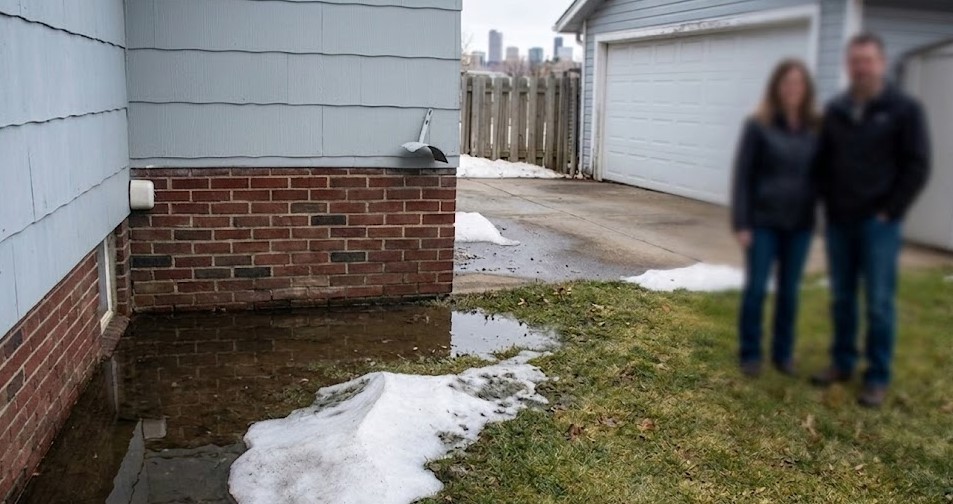
Denver's Snowmelt Season (March–May)
The Front Range snowmelt season typically begins in early March as daytime temperatures consistently rise above freezing. Peak risk is March–April when mountain snowpack is releasing at its highest volume while Front Range soil is still partially frozen, limiting ground absorption. This water flows to lower elevations — including Denver's basements.
The risk is amplified in years following heavy mountain snow seasons. Colorado's mountain snowpack varies dramatically year to year: a 130% of normal snowpack year releases substantially more water into the Front Range than an 80% year, and basement flooding follows these high-snowpack years predictably.
The 48-Hour Mold Response Window
IICRC research and EPA guidance establishes that mold can begin germinating on wet materials within 24–48 hours at temperatures above 40°F. Denver's spring temperatures during snowmelt season (typically 45–65°F) are ideal for rapid mold germination. Once water enters your basement, you have a limited window before remediation becomes significantly more expensive.
| Timeline | Action Required |
|---|---|
| 0–2 hours | Stop water source if possible; document with photos for insurance |
| 2–12 hours | Extract standing water (wet vac or call professional) |
| 12–24 hours | Remove wet carpet, padding, and drywall below water line |
| 24–48 hours | Begin structural drying with dehumidifiers and air movers |
| 48–72 hours | Professional assessment if materials remain wet |
| 72+ hours | Assume mold has begun — professional water damage mold remediation required |
What to Do Immediately After Snowmelt Flooding
- Photograph all damage before removing anything — insurance documentation
- Remove standing water as quickly as possible
- Pull back carpet and padding — these cannot be dried in place and will mold within 24 hours
- Open windows if outdoor humidity is low (common in Denver)
- Place fans to increase airflow, but only after water is removed
- Call a professional if water is more than 1 inch deep, covers more than 40 sq ft, or if affected materials include drywall, insulation, or finished surfaces — see our guide to the remediation process to know what to expect
Equipment Rental for DIY Water Extraction
For moderate flooding (less than 1 inch deep in unfinished basement, no finished materials affected), homeowners can manage initial water extraction with rented equipment. Denver-area Home Depot Tool Rental locations stock:
- Wet/dry vac (16–20 gallon): ~$35/day — for extracting shallow standing water from hard surfaces
- Dehumidifier (commercial grade, 65+ pint): ~$55–75/day — far more effective than consumer units for structural drying
- Air mover / axial fan: ~$30–45/day — increases evaporation from wet concrete and subfloor
For extraction of significant water (2+ inches, larger area, or any finished basement), call a professional water damage company — they have truck-mounted extraction units that remove water far faster than any consumer or rental equipment, which directly impacts whether you stay within the 48-hour mold prevention window.
Prices shown are examples only. For an accurate quote for professional water extraction and drying, call (720) 964-0332 — free specialist consultation.
Verifying That Drying Is Complete
Visual dryness is not the same as structural dryness. Concrete, OSB, and framing lumber can appear dry at the surface while remaining above acceptable moisture content inside. The only way to confirm complete drying is with a moisture meter:
- Framing lumber must be below 19% MC before being enclosed
- Concrete should read below 4% WME before installing new flooring or drywall
- A professional restorer can verify readings and provide documentation — useful for insurance claims and future mold dispute resolution
Common Mistakes That Lead to Mold After Snowmelt
- Closing up the basement too quickly: Closing windows and running the HVAC before structural drying is complete traps humidity and creates mold conditions.
- Replacing drywall before concrete is dry: The most common error — new drywall against wet concrete is guaranteed mold within weeks. Wait until moisture meter confirms concrete is below 4% WME.
- Not finding the moisture source: Extracting water and drying without fixing the foundation crack, window well drain, or sump pump failure ensures the same flooding occurs next year.
- Using consumer dehumidifiers at altitude: Most consumer dehumidifiers rated at sea-level conditions underperform by 15–20% at Denver's 5,280 ft. Use commercial-grade units or rent altitude-rated equipment.
Documenting for Insurance
If the water intrusion may be covered by your homeowners policy (e.g., burst pipe from a freeze event, not gradual seepage), document carefully before removing anything:
- Photograph all water damage with date and time stamps from multiple angles
- Note the water depth at its maximum and the affected square footage
- Document the specific source of water (burst pipe, crack location, window well overflow)
- Save weather records if the event was weather-related (freeze event date, storm date)
- Get a professional estimate before authorizing work — insurers prefer written pre-authorization
- Keep all contractor invoices, moisture meter readings, and drying logs for the claim file