
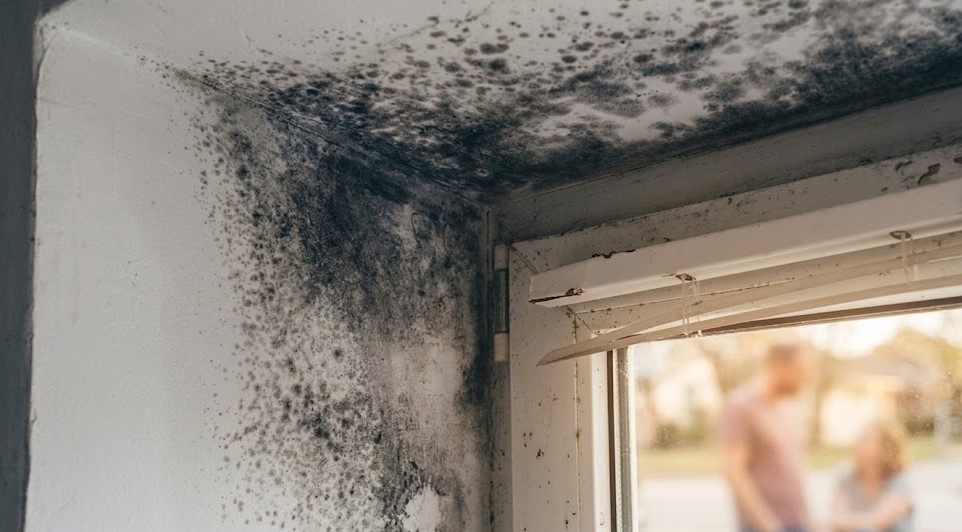
Disturbing black mold colonies releases spores and mycotoxins into the air. Do not scrub, vacuum, or attempt to remove black mold yourself. Call a professional black mold remediator.
What Is Black Mold?
The term "black mold" most often refers to Stachybotrys chartarum, a slow-growing mold that requires chronically wet conditions (sustained moisture for 7–14 days or more). It appears slimy, greenish-black, and is most commonly found in basements and crawl spaces after sustained water intrusion events — exactly the kind that occur in Denver during snowmelt flooding or after burst pipes during cold snaps.
Important: many mold species appear black or dark green. Only laboratory analysis can confirm whether a colony is Stachybotrys vs. Cladosporium, Aspergillus, or another species. All significant mold colonies should be treated with professional containment regardless of species.
Denver-Specific Health Context
At 5,280 feet, Denver's air is approximately 17% less dense than at sea level. This means residents already breathe harder to get adequate oxygen — particularly during exercise or exertion. Mold spore exposure adds respiratory burden on top of an already lower-oxygen environment. Individuals with asthma, COPD, or other respiratory conditions may experience more severe symptoms from mold exposure in Denver than they would at sea level.
Who Is Most At Risk
- Infants and young children
- Elderly adults
- Individuals with asthma or chronic respiratory conditions (more prevalent at altitude)
- Immunocompromised individuals (cancer patients, transplant recipients, HIV)
- Pregnant women
When to Leave Your Home
Temporary relocation during professional remediation is recommended when: the mold colony exceeds 10 square feet; visible Stachybotrys is present in a chronically wet area; or household members are experiencing active health symptoms (coughing, headaches, fatigue) that worsen at home and improve when away.
Health Effects by Exposure Level
Not all mold exposure results in the same health outcome. Severity depends on the species, duration of exposure, concentration of spores or mycotoxins, and the individual's health status.
| Exposure Level | Typical Symptoms | Most Affected |
|---|---|---|
| Short-term, low concentration | Sneezing, runny nose, mild eye irritation | Allergy-prone individuals |
| Prolonged (weeks–months) | Chronic cough, sinus infections, persistent fatigue, headaches | General population; worse at altitude |
| High concentration (Stachybotrys) | Severe respiratory distress, hemoptysis (in infants), neurological symptoms | Infants, immunocompromised |
Steps to Take After Suspected Mold Exposure
- Leave the area and get fresh air immediately if you experience sudden respiratory symptoms near a mold colony.
- Consult your physician if symptoms persist — especially if you have asthma, COPD, or a compromised immune system. Mention potential mold exposure.
- Do not disturb the mold colony while awaiting professional assessment. Disturbance releases spores into the air.
- Document the location and approximate size of any visible mold with photographs — this helps remediators and, if applicable, your insurance adjuster.
- Call a professional remediator for assessment if the colony exceeds 10 square feet or involves porous materials like drywall or wood. See our step-by-step guide to the remediation process to know what to expect.
Mold Symptoms vs. Denver Seasonal Allergies: How to Tell the Difference
Denver's pollen season (trees: March–May; grasses: June–July; ragweed: August–October) creates a recurring diagnostic challenge — are symptoms caused by seasonal allergies or indoor mold? This comparison helps:
| Characteristic | Seasonal Allergies (Denver pollen) | Mold Exposure |
|---|---|---|
| When symptoms occur | Outdoors or with windows open; worse on high-pollen days | Primarily indoors; worse in specific rooms (basement, HVAC areas) |
| Season pattern | Follows specific pollen calendar (tree/grass/weed) | Year-round if mold is present; spikes during/after snowmelt season |
| Away-from-home test | No significant improvement away from home (pollen is everywhere) | Often improves significantly when away from home for 24+ hours |
| Symptom character | Watery eyes, sneezing — classic IgE allergic response | More likely: persistent cough, fatigue, headache, sinus congestion (not itchy eyes) |
| Antihistamine response | Antihistamines typically provide good relief | Partial or no relief from antihistamines alone |
| Diagnostic next step | Allergy testing for pollen-specific IgE | Mold inspection; ask physician about mold-specific IgE testing |
The most reliable indicator of mold-related symptoms vs. pollen allergy is the away-from-home test: spend 48–72 hours outside your home environment (hotel, family member's home) and note whether symptoms improve significantly. If they do, the source is likely in your home. If symptoms persist equally outdoors and indoors, seasonal pollen is the more likely cause.
This article is for general informational purposes only and does not constitute medical advice. If you or a family member are experiencing symptoms that may be related to mold exposure, consult a licensed healthcare provider. Individuals with known mold allergies, asthma, COPD, or compromised immune systems should seek medical guidance before re-entering a mold-affected space.